











Login
Registrierung
To be always up-to-date – join our newsletter.
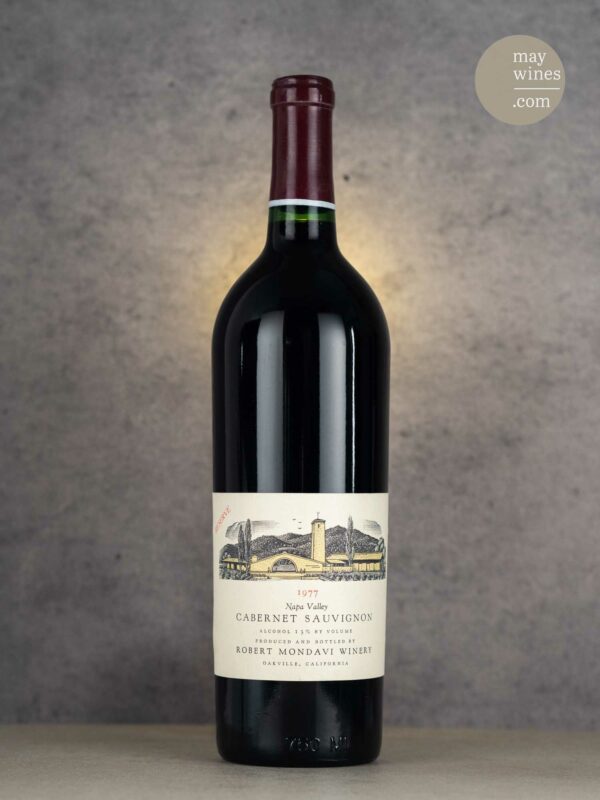
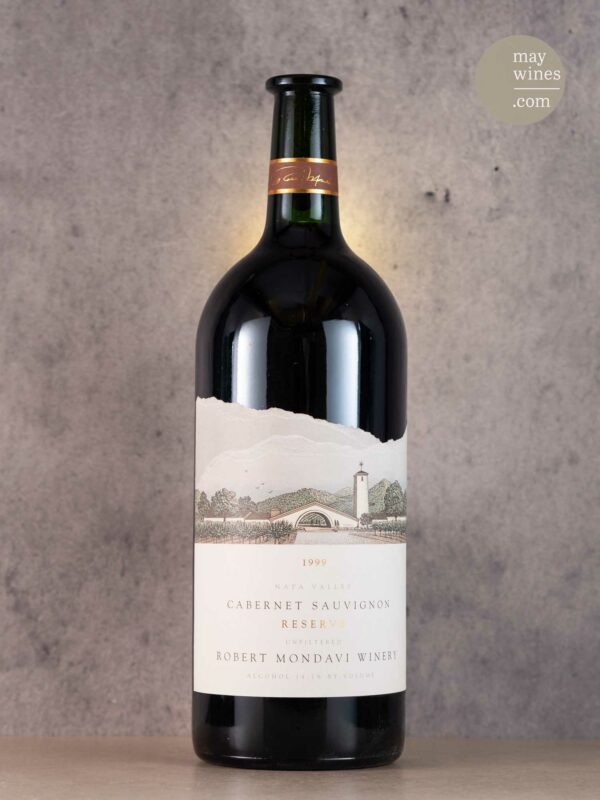
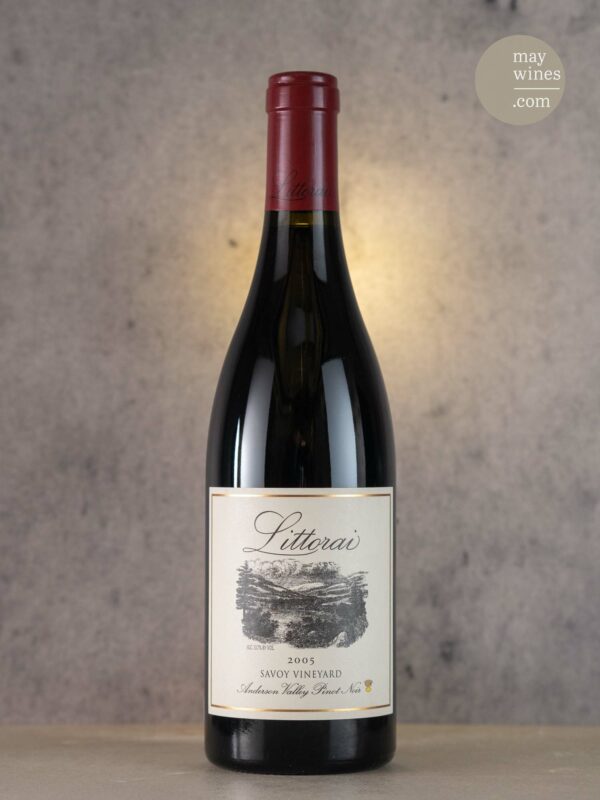
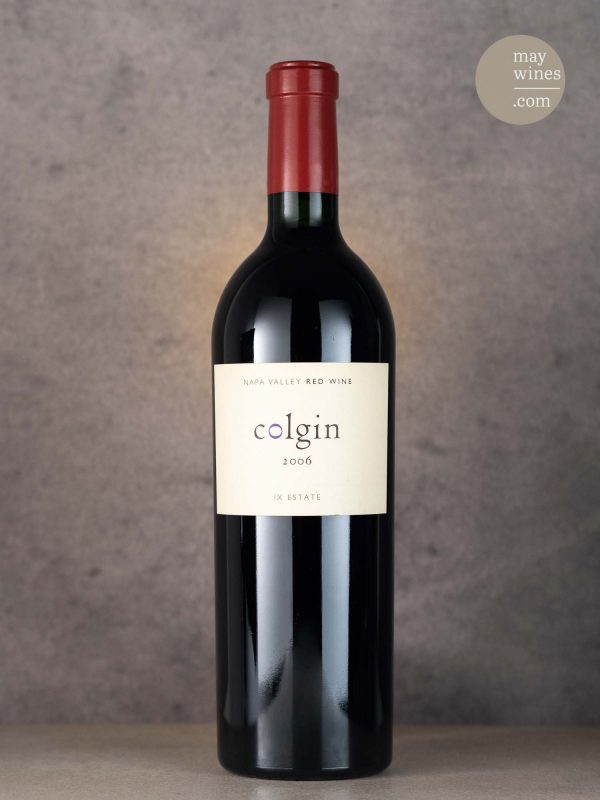
Waren Sie schon einmal in Kalifornien? Wenn ja: Erinnern Sie sich noch an den Duft, an den Geruch, beim Verlassen des Flughafens oder Schiffes? Wie war das Wetter? Welchen Menschen begegneten Sie als erstes? So wie Ihnen ging und geht es tausenden von Menschen, die als Urlauber nach Kalifornien kommen oder ganz bewusst “ins Land der Träume” auswandern. So viele große Geschichten begannen in Kalifornien, so oft waren es Einwanderer, die diese Geschichte schrieben. Auch der Weinbau wurde Anfang des 19. Jahrhunderts von “Immigranten” begründet, von Franziskanermönchen. Viele der heute weltweit geschätzten kalifornischen Winzer sind Einwanderer.
Auf 130.000 ha wachsen 90 % der gesamten US-Weinernte. Das Verhältnis von weiß und rot ist mit ungefähr 50:50 ausgeglichen. Napa Valley ist bestimmt nach wie vor die bedeutendste der 50 AVA’s (American Viticultural Area), und die besten Weine stammen aus der kühlen Bay Area: Die entsprechenden Herkünfte heißen Napa Valley, Sonoma Valley und Russian River, sowie das südliche Santa Barbara und Santa Rita Hills. Auf die Herkunft Paso Robles (Kalk, rar in Kalifornien!) sollte man vor allem in Sachen Cabernet Sauvignon ein Auge haben.
Richtigen Aufschwung gab es in den 1970er Jahren. Renommierte Weinhändler und Journalisten erkannten das ungeheure Potential der noch relativ unbekannten Weinbaugegend und organisierten Vergleichs-Tastings mit besten Burgundern und Bordeaux-Weinen. Diese blinden Verkostungen gingen erstaunlich oft zugunsten der Kalifornier aus – schlagartig wurden die Weine bekannt. Und parallel dazu startete der relevanteste Rechtsanwalt der Welt in Sachen Weinliebhaberei sein Business: Robert Parker Jr..
Login
Registrierung