

Login
Registrierung
To be always up-to-date – join our newsletter.
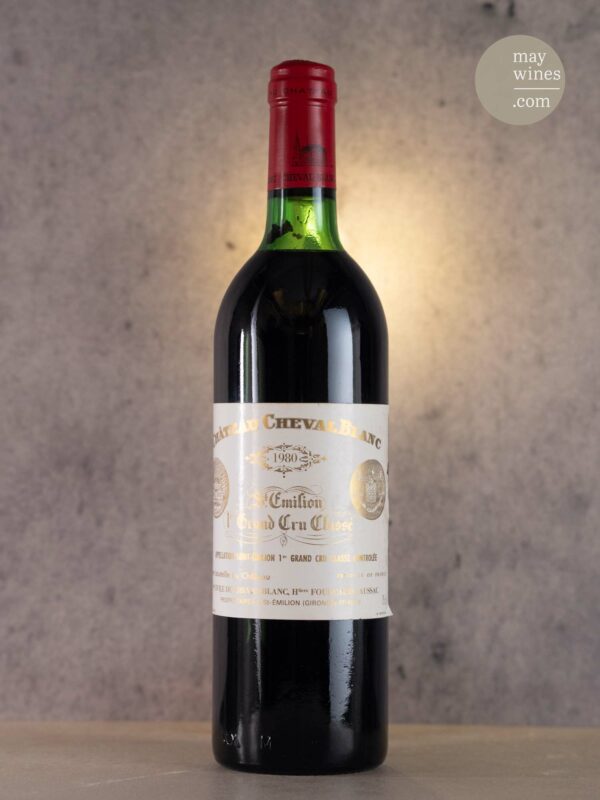
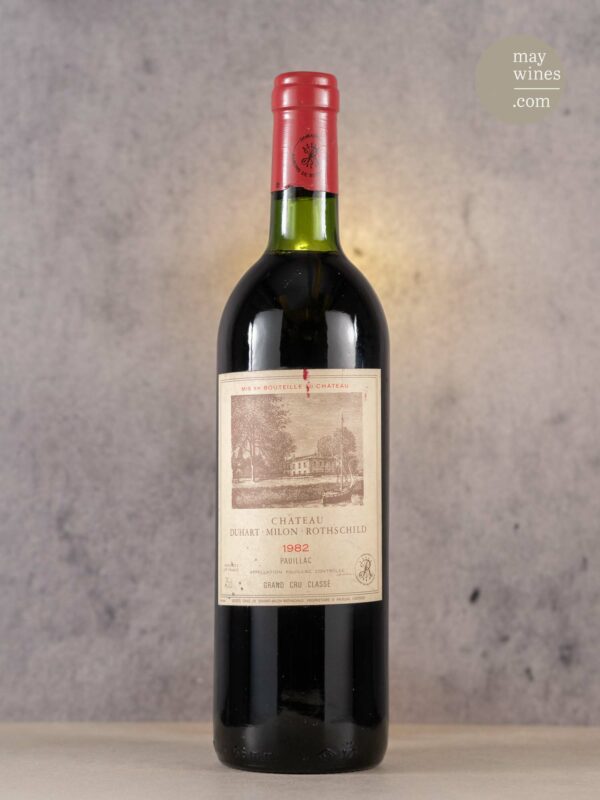
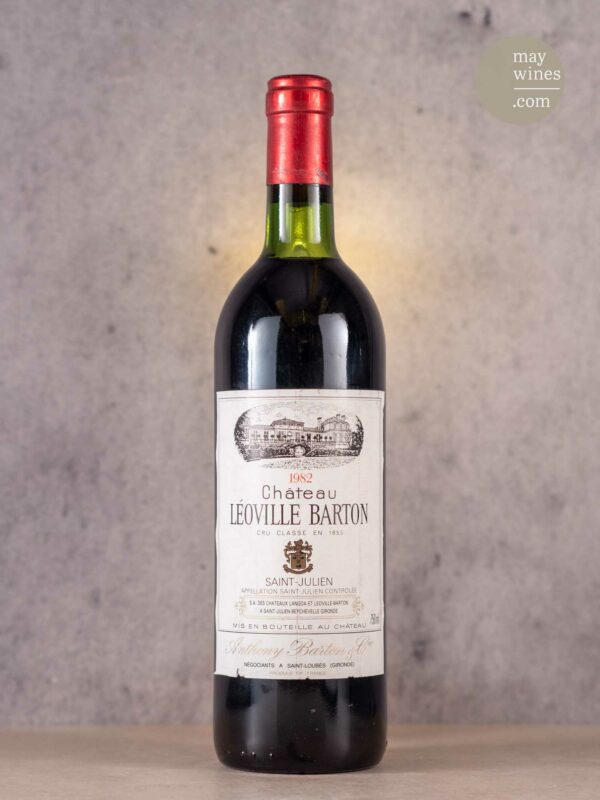
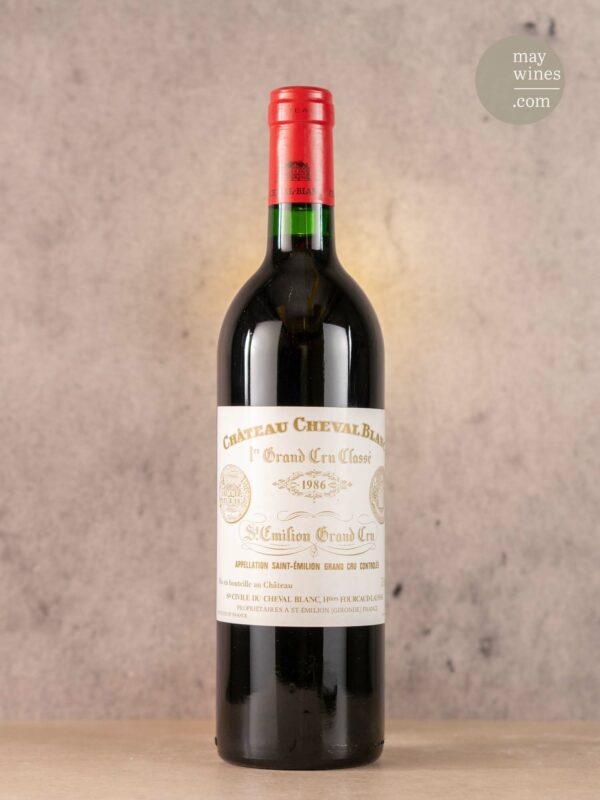
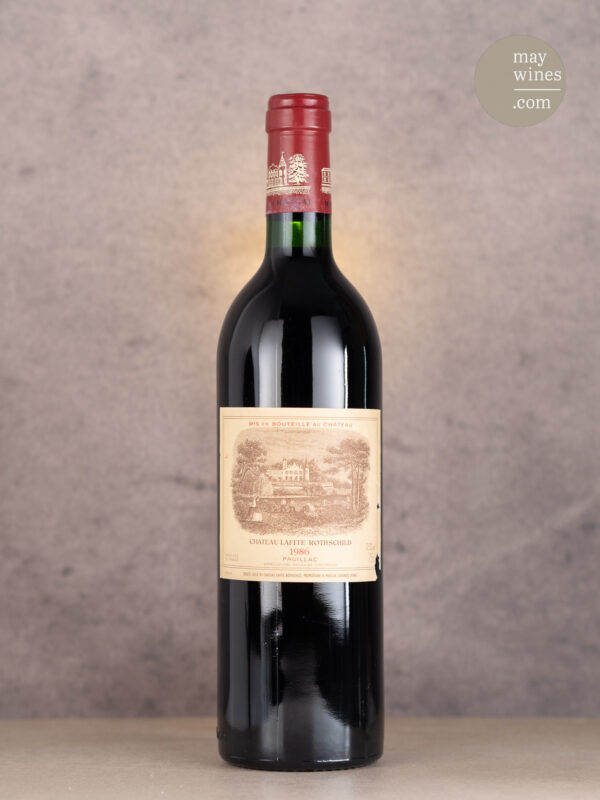
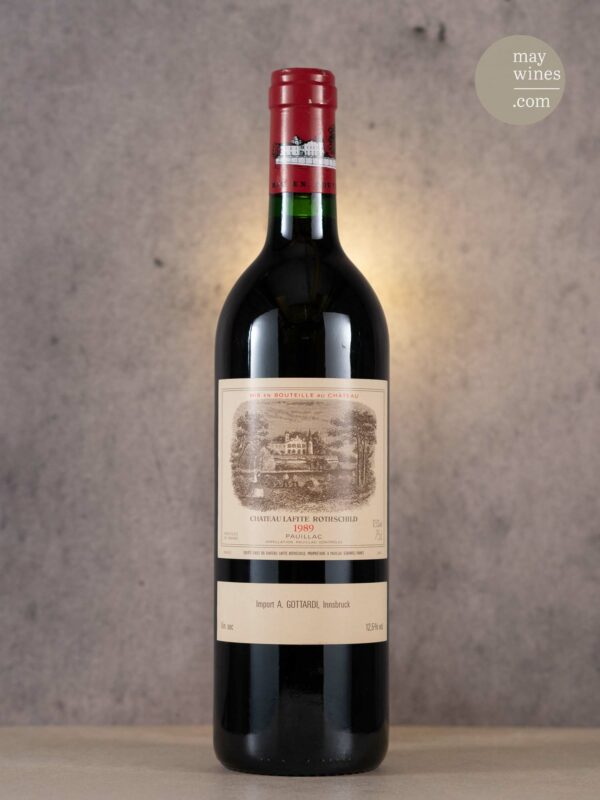
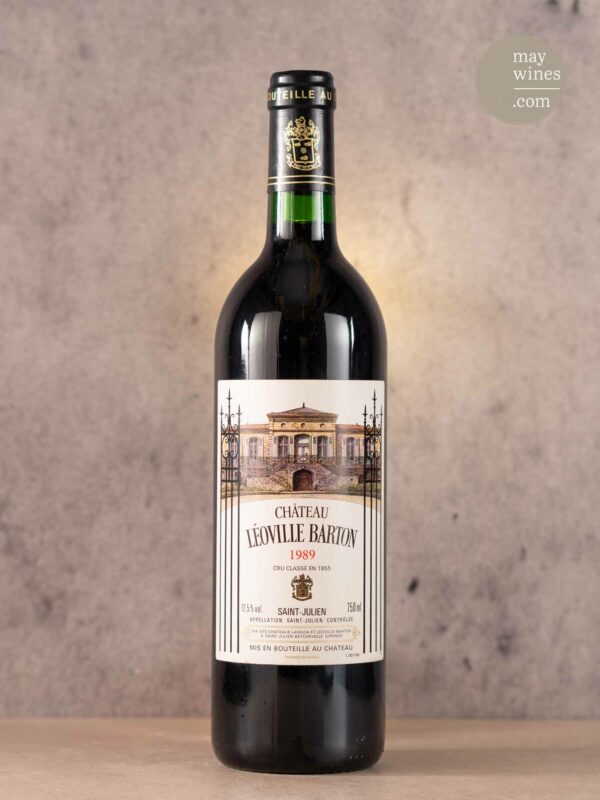
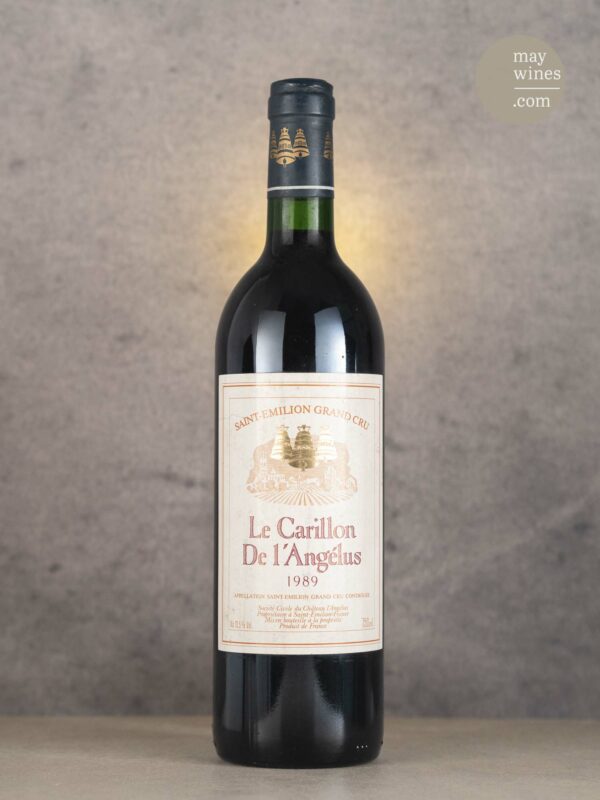
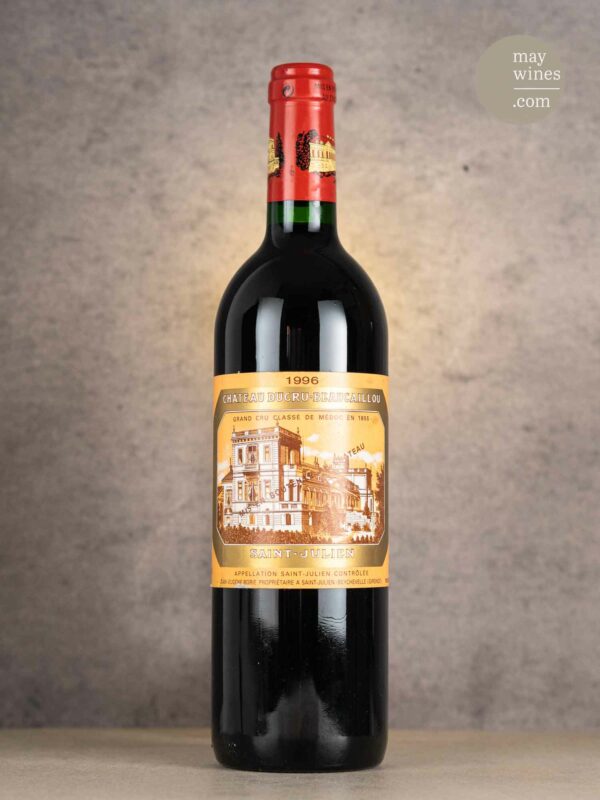
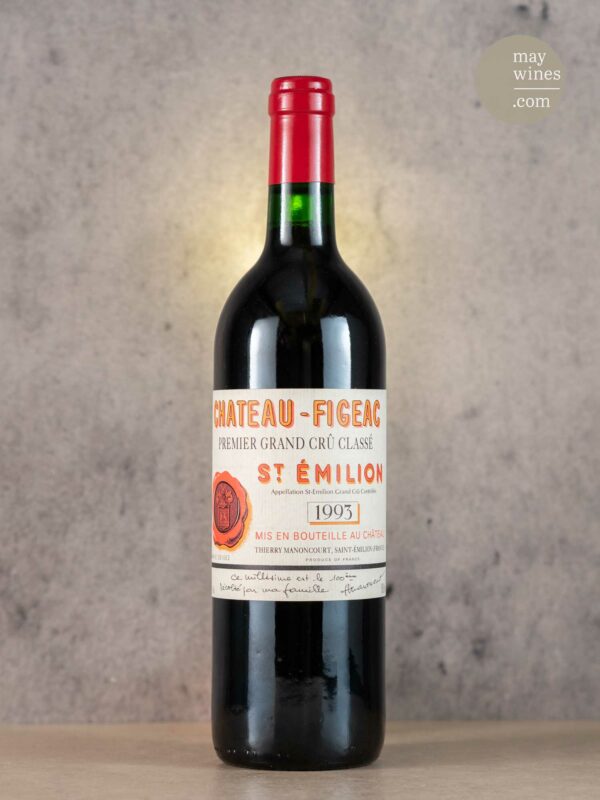
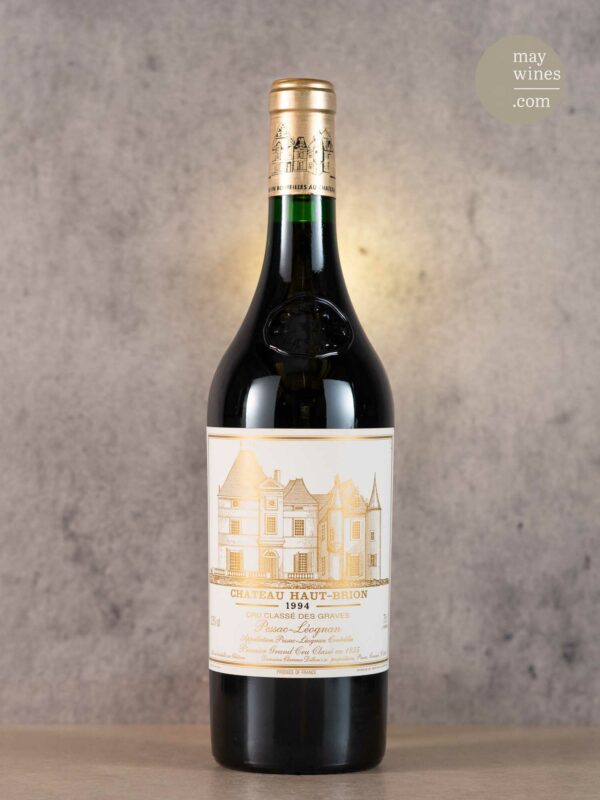
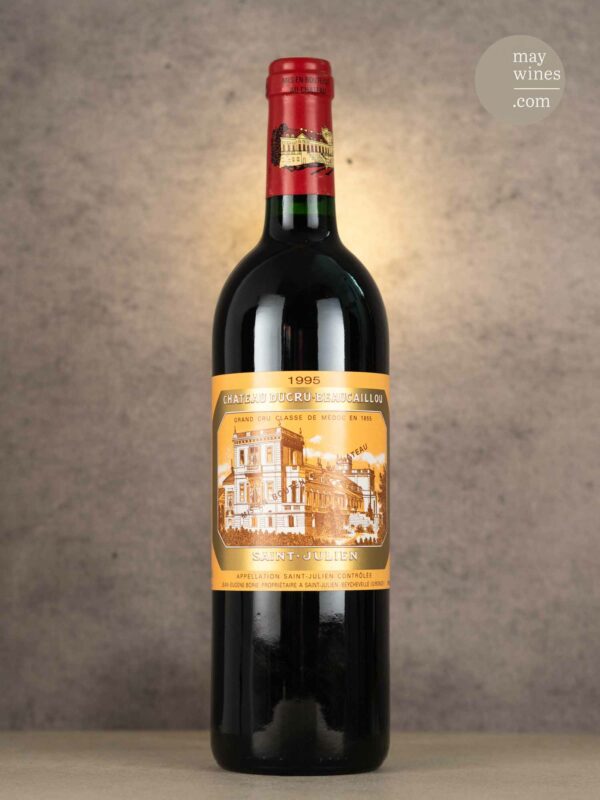
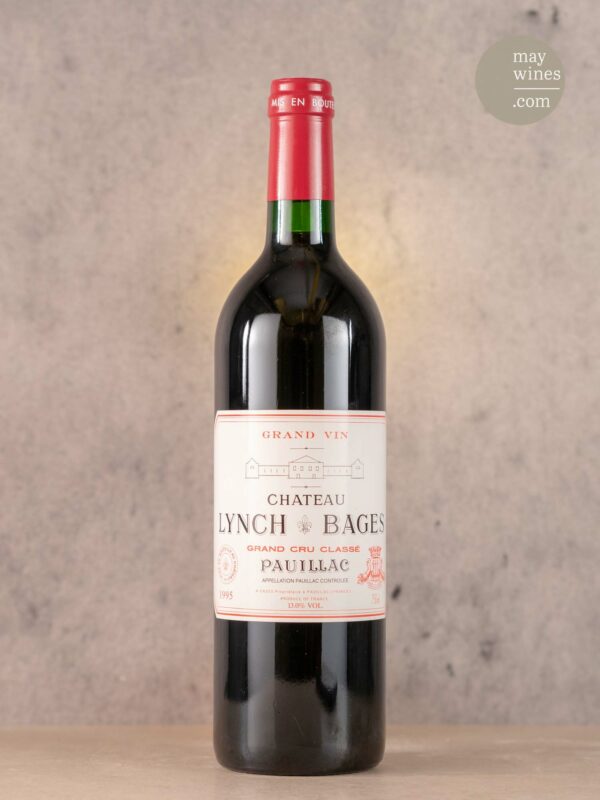
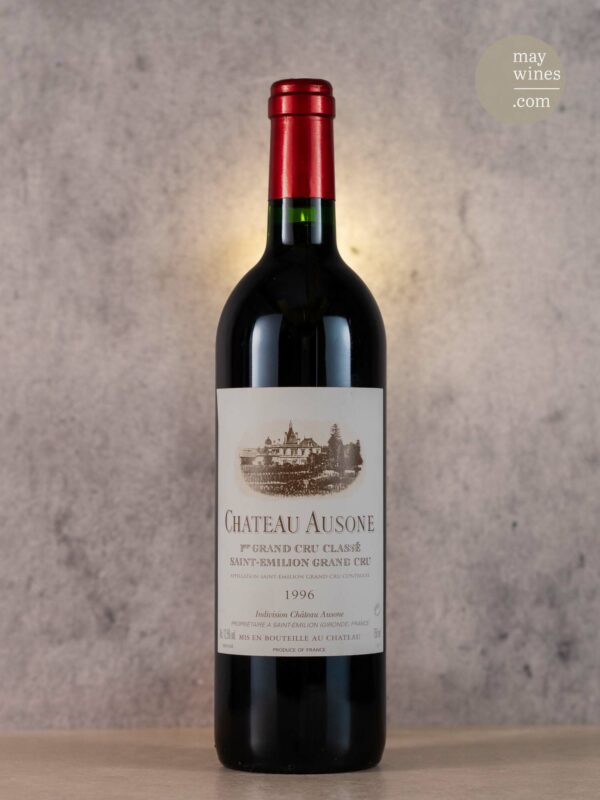
„Am Wasser liegend“ fiel den Römern zum heutigen Bordeaux ein und nannten das Gebiet deshalb „Aquitanien“. Seine Haupt- und Hafenstadt trägt den gleichen Namen wie das 100.000 Hektar große Weinbaugebiet von Weltruhm: Bordeaux oder auf französisch Bordelais. Vor und entlang der Gironde, welcher sich aus den Flüssen Dordogne und Garonne speist, liegen die weltbekannten Weinbaugebiete Médoc, Haut-Médoc, Graves und rechtsufrig die Orte St. Emilion und Pomerol. Unser Herz schlägt seit vielen Jahren für die feinen Weine des Bordelais, wir sammeln schon seit 20 Jahren diese Weine, kaufen regelmäßig Liebhaber-Keller auf und konzentrieren uns auf die für uns großen Jahre (unter anderem 1982, 1985, 1986, 1989, 1990, 1996, 1998, 2000, 2005, 2009, 2010 und einige mehr) und die Top Winzer. Weine, die uns nicht schmecken, bieten wir auch nicht an.
Denkt man als Weinliebhaber an Bordeaux, fällt einem unweigerlich Cabernet Sauvignon ein. Warum gelingt die Sorte dort so besonders gut? Das Klima auf der Halbinsel links der Gironde, Médoc, ist das mildeste in ganz Bordeaux und genau hier gedeihen Cabernet Sauvignon-basierte Cuvées von Weltrang. Die Sorte braucht genau diese Bedingungen, um es mit einiger Regelmäßigkeit zur Traubenreife zu schaffen. Die Kiefernwälder schützen die Weinberge gegen die starken Atlantikwinde und mäßigen zudem die Sommertemperaturen. Da es, so nahe am Meer viel regnet, baut das typische Château zur Risikominderung mindestens drei Rebsorten an: zu Cabernet Sauvignon gesellen sich üblicherweise Merlot und Cabernet Franc, gelegentlich auch die später reifenden Sorten Petit Verdot und Malbec. Voilà! Je nach Uferseite dominieren Cabernet Sauvignon die Cuvée (linkes Ufer) bzw. Merlot (rechtes Ufer). Freilich gibt es vereinzelt Ausnahmen, aber das wäre die grobe Unterscheidung der zwei berühmtesten Ufer der Weinwelt.
Login
Registrierung